
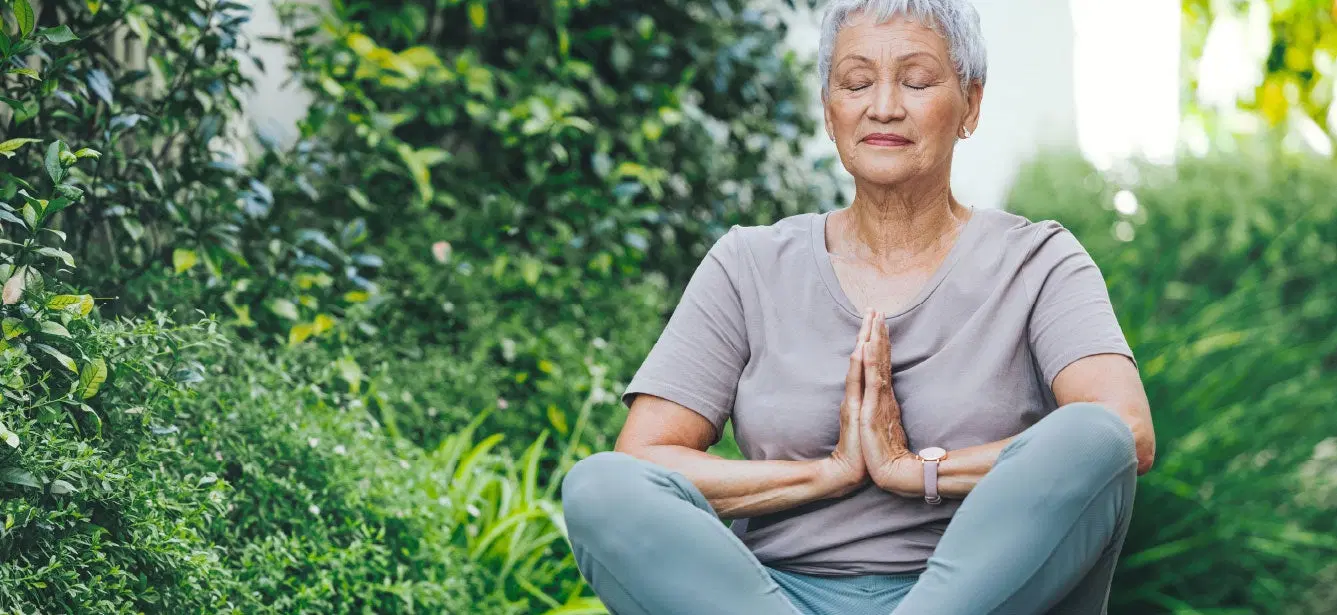
Stress isn't something you eliminate — it's something you learn to work with. Here's what's actually happening in your body when stress builds up, and ten practical, doctor-backed techniques to bring it back down.
Stress is something everyone deals with, but very few people ever learn how to manage it well. It shows up as a tight chest before a meeting, a racing mind at 2 a.m., or that short temper you didn't mean to have with someone you love. Left unchecked, it doesn't just make you feel bad — it wears down your body and mind over time.
The good news is that stress management isn't about eliminating stress completely. That's not realistic, and honestly, a little stress can even be useful — it's what gets you moving before a deadline or keeps you alert in a tricky situation. The real goal is learning how to respond to stress in a way that doesn't leave you drained, anxious, or unwell.
This guide walks through what stress actually does to your body, why managing it matters, and ten practical techniques you can start using today — from breathing exercises to better sleep habits.
What Is Stress Management?
Stress management is the set of practices and habits that help you recognize, respond to, and reduce the stress in your life. It's not one single method — it's a toolkit. Some days that toolkit might include a short breathing exercise before a big call. Other days it might mean saying no to something that would overload your schedule.
At its core, good stress management starts with awareness. Before you can manage stress, you need to notice it — the tension in your shoulders, the shallow breathing, the racing thoughts. Once you can spot it, you can start choosing how to respond instead of just reacting.
Why Stress Management Matters
To understand why managing stress is so important, it helps to understand what's actually happening in your body when you're stressed.
When you encounter something your brain perceives as a threat — a deadline, a conflict, even a stressful email — it triggers what's known as the fight or flight response. Your body releases stress hormones like cortisol and adrenaline, your heart rate increases, and your muscles tense up, all to prepare you to react quickly.
This response is incredibly useful in short bursts. The problem is that many of us are stuck triggering it constantly — over traffic, inboxes, financial pressure, or family stress — without ever fully switching it off. When your body stays in this heightened state for too long, it can contribute to real health problems, including:
- Anxiety and depression
- Trouble sleeping
- High blood pressure and heart problems
- Headaches and muscle tension
- Digestive issues
- Weakened immune function
- Difficulty concentrating
This is why stress management isn't a "nice to have" — it's a core part of protecting both your mental and physical health long term.
10 Stress Management Techniques That Actually Work
Below are ten practical, research-supported techniques. You don't need to do all of them — pick two or three that fit your life and build from there.
1. Deep Breathing for Stress
Deep breathing for stress is one of the fastest ways to calm your nervous system, and it works because of simple biology. Slow, deep breaths activate your parasympathetic nervous system — the part of your body responsible for rest and recovery — which directly counteracts the fight or flight response.
A simple way to start:
- Sit or lie down comfortably and close your eyes.
- Place one hand on your stomach and one on your chest.
- Breathe in slowly through your nose so your stomach rises more than your chest.
- Exhale slowly through your nose, letting your body relax.
- Repeat for 5–10 rounds.
This technique takes less than two minutes and can be done almost anywhere — at your desk, in your car, or before a stressful conversation.
2. Meditation for Stress
Meditation for stress has been practiced for thousands of years, and modern research continues to back up what people have known intuitively for centuries: it works. Regular meditation has been shown to lower stress hormones, ease anxiety, and even improve sleep quality.
To get started, you don't need any special equipment or app:
- Find a quiet spot where you won't be interrupted.
- Sit comfortably, close your eyes, and focus on your breath.
- When your mind wanders (and it will), gently bring your attention back without judgment.
Even five minutes a day can make a noticeable difference over a few weeks.
3. Yoga for Stress Relief
Yoga for stress relief combines several of the most effective stress-reducing tools into one practice: movement, breath control, and mindfulness. Styles that emphasize slow movement and deep breathing — like restorative or hatha yoga — tend to be the most effective for lowering stress and anxiety specifically.
Beyond the physical benefits, yoga encourages you to slow down and pay attention to your body, which can help interrupt the cycle of racing, stress-driven thoughts.
4. Mindfulness Techniques for Stress
Mindfulness techniques for stress focus on staying present rather than getting pulled into worry about the future or regret about the past — two of the biggest drivers of chronic stress. Mindfulness doesn't require sitting still; you can practice it while walking, eating, or even washing dishes.
A simple mindfulness exercise: pick any routine task and pay close attention to the physical sensations involved — the temperature of the water, the texture of an object, the sound around you. This kind of grounding pulls your brain out of stress mode and into the present moment.
5. Relaxation Techniques for Stress
Beyond meditation and yoga, there are several other relaxation techniques for stress worth having in your toolkit:
- Progressive muscle relaxation — tensing and then slowly releasing each muscle group, working from your feet up to your head.
- Visualization — picturing a calm, peaceful place in detail to shift your mind away from stress.
- Biofeedback — using sensors to become aware of physical stress signals (like heart rate or muscle tension) so you can learn to control them consciously.
These techniques work particularly well before bed or during a scheduled midday break.
6. Sleep Hygiene Tips
Poor sleep and high stress feed off each other — stress makes it harder to sleep, and lack of sleep makes you more reactive to stress the next day. Breaking that cycle starts with better sleep hygiene tips:
- Keep a consistent sleep and wake schedule, even on weekends.
- Avoid screens for 30–60 minutes before bed.
- Limit caffeine and alcohol in the hours leading up to sleep.
- Keep your bedroom cool, dark, and quiet.
- Try a short relaxation or breathing exercise as part of your wind-down routine.
Improving your sleep is one of the highest-leverage things you can do for long-term stress reduction.
7. Move Your Body Regularly
Exercise is one of the most effective stress reduction methods available, and you don't need an intense workout routine to benefit. Physical activity helps your body burn off excess stress hormones and triggers the release of endorphins, which naturally improve your mood.
If a structured workout doesn't fit your schedule, small changes add up: taking the stairs, going for a short walk, or stretching between tasks all help.
8. Eat to Support Your Stress Response
What you eat has a direct impact on how your body handles stress. Diets high in processed sugar and fat can amplify stress responses, while balanced meals with lean protein, healthy fats, and complex carbohydrates help stabilize your mood and energy throughout the day. Foods rich in magnesium, omega-3 fatty acids, and antioxidants have also been linked to lower stress levels.
9. Build In Social Connection
Stress management isn't only about solo practices — connection matters too. Spending time with people who support you helps regulate your nervous system and lowers stress hormone levels. Even a short conversation with a friend can shift your body out of a stressed state.
10. Talk to a Professional When You Need To
Sometimes stress management techniques for anxiety and everyday stress aren't enough on their own — and that's completely normal. If stress is affecting your ability to function, sleep, or enjoy life, a therapist or counselor can help. Approaches like cognitive behavioral therapy (CBT) are especially effective for identifying and reshaping stress-driven thought patterns.
Frequently Asked Questions
What are the best stress management techniques for anxiety?
Breathing exercises, meditation, and grounding techniques tend to be the most effective for anxiety specifically, since they directly calm the nervous system in the moment rather than just addressing stress long-term.
How quickly do stress management techniques work?
Some techniques, like deep breathing, can create a noticeable calming effect within minutes. Others, like meditation or exercise, build cumulative benefits over days and weeks of consistent practice.
Can stress management improve sleep?
Yes. Techniques like meditation, deep breathing, and consistent sleep hygiene habits directly reduce the stress hormones that interfere with falling and staying asleep.
Is yoga or meditation better for stress relief?
Both are effective, and they work well together. Yoga combines physical movement with breath control, while meditation focuses purely on mental stillness. Many people benefit from using both, depending on the day.
The Takeaway
Stress management is less about finding one perfect fix and more about building a small set of habits you can return to consistently — a few deep breaths before a hard conversation, a short walk after a long day, a wind-down routine that actually helps you sleep. Start with one or two techniques from this list, give them a real chance over a couple of weeks, and build from there. Over time, these small, repeatable habits add up to a much steadier relationship with stress.
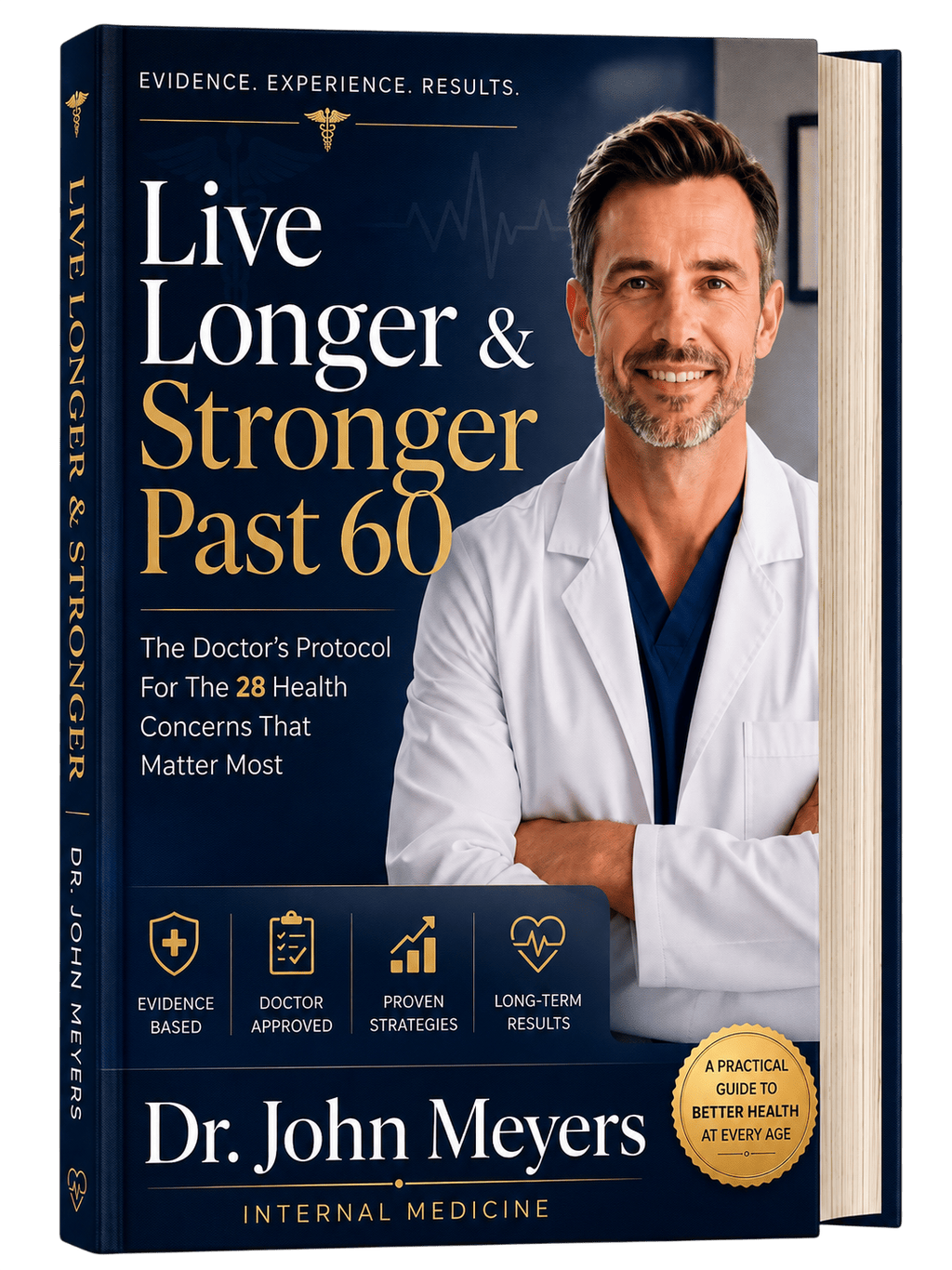
Get the complete After-60 Protocol
28 of the health concerns that matter most after 60 — blood pressure, blood sugar, memory, balance, and more — all in one calm, organized, sourced plan. Thousands of readers are already using it to take back their health.
This article is for educational purposes only and does not constitute medical advice. Always consult a qualified healthcare provider about your own health and any changes to medication, diet, or exercise.